Understanding the Little Bag: A Comprehensive Guide to Box Templates and Digital Files
The Little Bag is a versatile box template that has gained popularity among crafters, designers, and DIY enthusiasts. Whether you're looking to create custom packaging, gift boxes, or storage solutions, the Little Bag offers a simple yet effective design that can be adapted to various needs. This guide will walk you through the process of working with different file formats such as AI, SVG, DXF, FCM, and PDF, and how to use them in tools like Canvas Work Space and Cricut.
What Is the Little Bag?
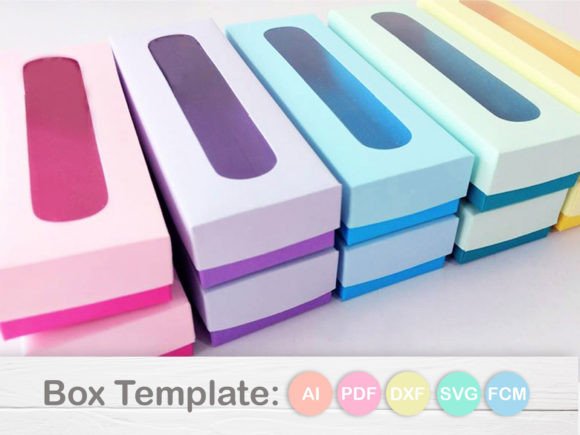
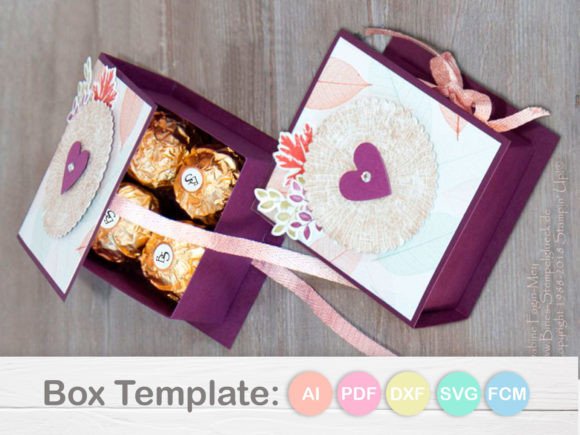
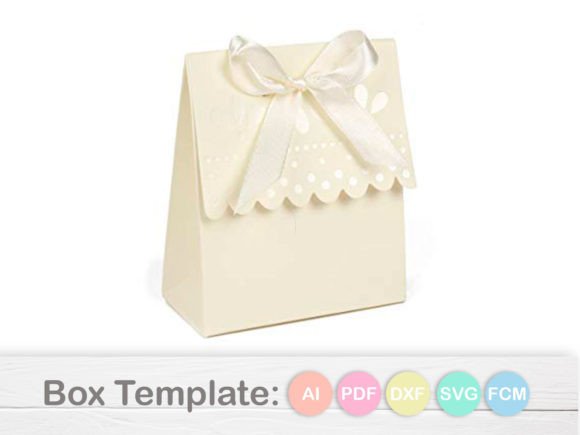
The Little Bag is a pre-designed box template that allows users to create a small, foldable container with ease. It's often used for packaging small items, holding craft supplies, or even as a decorative element in home decor projects. The design includes cut lines and score lines that make it easy to assemble once the file is processed correctly.
One of the key advantages of the Little Bag is its compatibility with digital design software and cutting machines. By using the right file format, you can customize the size, add text, or modify the design to suit your specific project requirements.
Understanding the File Formats
When working with the Little Bag, you may encounter several file types, including AI, SVG, DXF, FCM, and PDF. Each of these files serves a different purpose and is compatible with different software tools. Understanding the differences between these formats will help you choose the best one for your project.
- AI (Adobe Illustrator)
- This is a vector-based file format created in Adobe Illustrator. It's ideal for detailed design work and offers high-quality scalability. However, it requires Adobe Illustrator to edit and open.
- SVG (Scalable Vector Graphics)
- SVG files are also vector-based and can be opened in most design software, including online editors. They are widely used for web and digital applications due to their compatibility and scalability.
- DXF (Drawing Exchange Format)
- DXF is a file format developed by Autodesk for CAD data. It's commonly used in manufacturing and engineering but can also be useful for precise cutting projects.
- FCM (Cricut File)
- FCM files are specifically designed for use with Cricut machines. They include all the necessary information for cutting and scoring, making them ideal for crafting and DIY projects.
- PDF (Portable Document Format)
- PDF files are widely used for sharing and printing. While they can be used for cutting, they may not offer the same level of customization as vector-based files like SVG or AI.
Working with the Little Bag in Canvas Work Space
If you're using the "fcm" file format, importing it into Canvas Work Space is straightforward. This tool is commonly used for preparing designs for cutting machines, including Cricut. Here's a step-by-step guide:
- Open Canvas Work Space on your computer or mobile device.
- Click on "Import" and select the "fcm" file you want to use.
- Once the file is imported, review the layers to ensure all elements are visible.
- Adjust the size if needed by selecting the design and resizing it according to your requirements.
- Make sure the cut lines and score lines are properly set up for accurate cutting.
Canvas Work Space provides a user-friendly interface that makes it easy to prepare your design for cutting. It also allows you to preview how the final product will look before sending it to your machine.
Using SVG Files with Cricut
If you prefer to use an SVG file instead of an FCM file, there are a few additional steps you need to take. SVG files are commonly used in Cricut Design Space, but they require some adjustments to ensure proper cutting and scoring.
- Open Cricut Design Space and import the SVG file.
- Select all layers except the colorful layer. If there is a black layer, include it as well.
- Change the setting from "Cut" to "Score" in the top toolbar. This ensures that the lines are scored rather than cut, which is essential for folding the box correctly.
- Select all layers, including the colorful one, and click on "Attach." This merges the layers and prepares the design for cutting.
It's important to note that SVG files may not always have the correct cut and score lines, especially if they were created in Adobe Illustrator. In such cases, you may need to manually adjust the lines to ensure the box folds correctly.
Common Misconceptions About the Little Bag
One common misunderstanding about the Little Bag is that it's only suitable for small projects. In reality, the design can be scaled up or down depending on your needs. Whether you're creating a mini gift box or a larger storage container, the Little Bag can be customized to fit your requirements.
Another misconception is that the file formats are interchangeable without any adjustments. While SVG and FCM files can both be used for cutting, they require different settings and modifications. For example, SVG files may need to be converted to FCM or adjusted for scoring, while FCM files are already optimized for Cricut machines.
The Practical Relevance of the Little Bag
The Little Bag has practical applications in various areas, including business, education, and daily life. For businesses, it can be used for packaging products, creating branded boxes, or offering custom gift options. In educational settings, it's a great tool for teaching students about design, measurement, and digital fabrication.
In daily life, the Little Bag can be used for organizing small items, storing craft supplies, or even as a creative project for kids and adults alike. Its simplicity and versatility make it a valuable resource for anyone interested in DIY and crafting.
Conclusion
The Little Bag is more than just a simple box template—it's a flexible design that can be adapted to a wide range of projects. By understanding the different file formats and how to use them in tools like Canvas Work Space and Cricut, you can unlock the full potential of this design. Whether you're a beginner or an experienced crafter, the Little Bag offers a fun and practical way to bring your ideas to life.